
Bridging the generation gap in avant-garde Chinese art
Apollo Magazine, May 31, 2018
There is a tendency in discussions of avant-garde Chinese art to consider artists collectively, in the context of successive generations or movements. When the Beijing East Village was formed in the late 1980s, the group became known for its use of experimental art forms like performance to explore sociopolitical issues affecting post-Mao China. Following in the footsteps of movements like the Stars, founded in 1979, and Xiamen Dada, which originated in the mid ’80s, the Beijing East Village came to define experimental art in China in the ’90s.
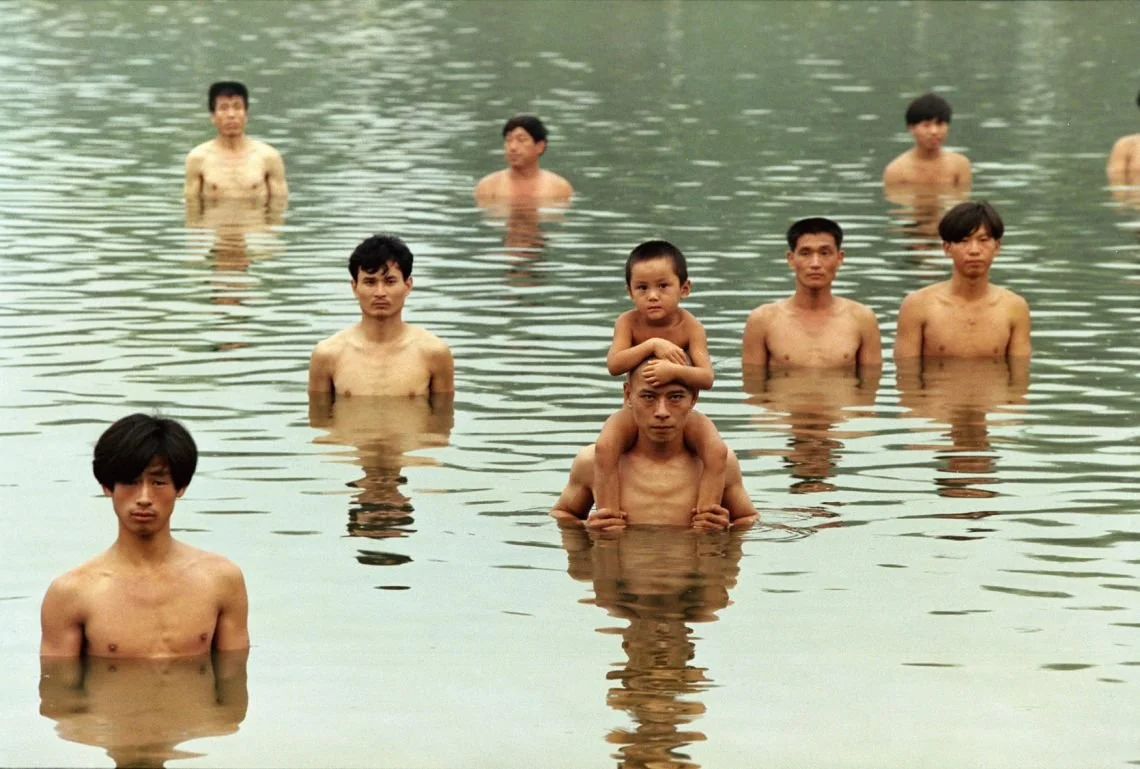
Zhang Huan quickly emerged as a forefront figure of the group. Today regarded as one of China’s most influential performance artists, Zhang developed a provocative performative style often involving nudity, feats of physical endurance, and perilous situations. Within a politically charged climate of cultural censorship, he operated somewhat secretively, performing outside the realm of official art and showing his work only to targeted audiences.
Read the full article on apollo-magazine.com