
Brutalist architecture under threat:
The global fight to save, adapt, and reuse
Domus Magazine, June 10, 2026
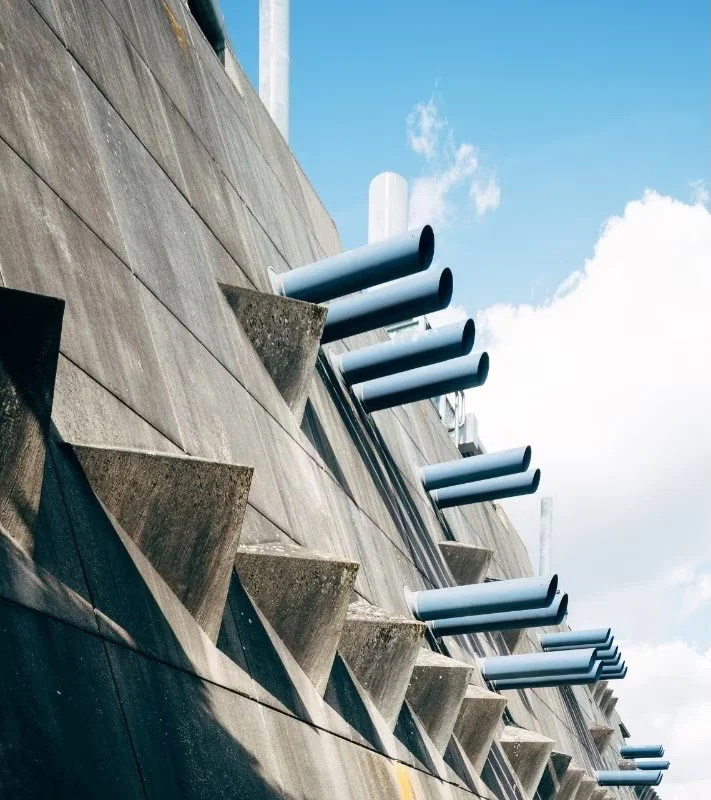
When Berlin’s sci-fi-esque Institute for Hygiene and Microbiology—affectionately and fearfully known as the “Mäusebunker” (literally “the mouses’ bunker”)—was spared from the wrecking ball in May 2023, a collective sigh of relief rippled through the architectural community. For years, the asbestos-laced concrete landmark had faced imminent demolition after its original function as an animal testing laboratory became obsolete. The Mäusebunker’s last-minute rescue raised a fundamental question: if an intimidating, toxic, and highly specialized structure like this can be saved, what makes Brutalist buildings “worth” preserving—and how?
Emerging from the postwar drive for reconstruction and a new democratic monumentality, Brutalism spread globally, from the United States and Japan to Latin America. Consequently, the threats these buildings face today are as diverse and complex as the geopolitical contexts they occupy, ranging from structural aging and functional obsolescence to social stigma and political erasure.
Today, many of these structures are regarded as obsolete, costly to maintain, and socially problematic. To better understand the shifting paradigm of Brutalist heritage, Domus spoke with Javier Ors Ausín, Senior Manager of Special Programs at the World Monuments Fund (WMF), and Oliver Elser, Curator at the Deutsches Architekturmuseum (DAM) and editor of SOS Brutalism – A Global Survey (2017).
Read the full article on domusweb.it