
Modern Masters: A Private Collection of French Art Deco Design
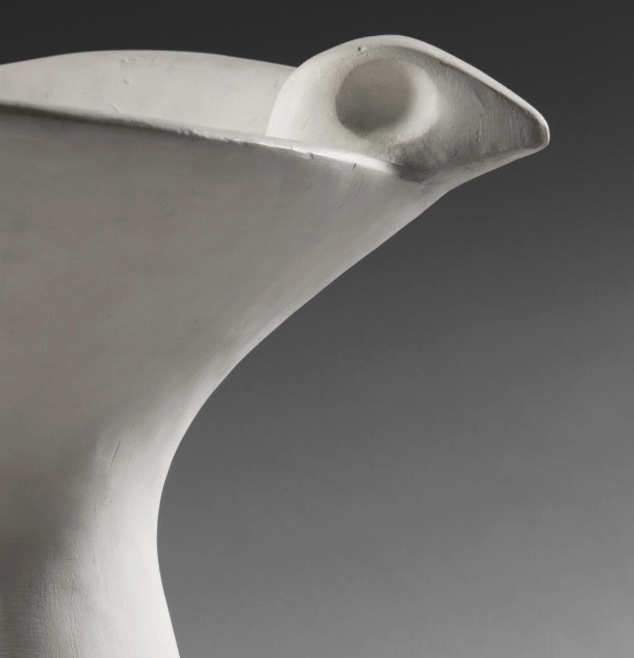
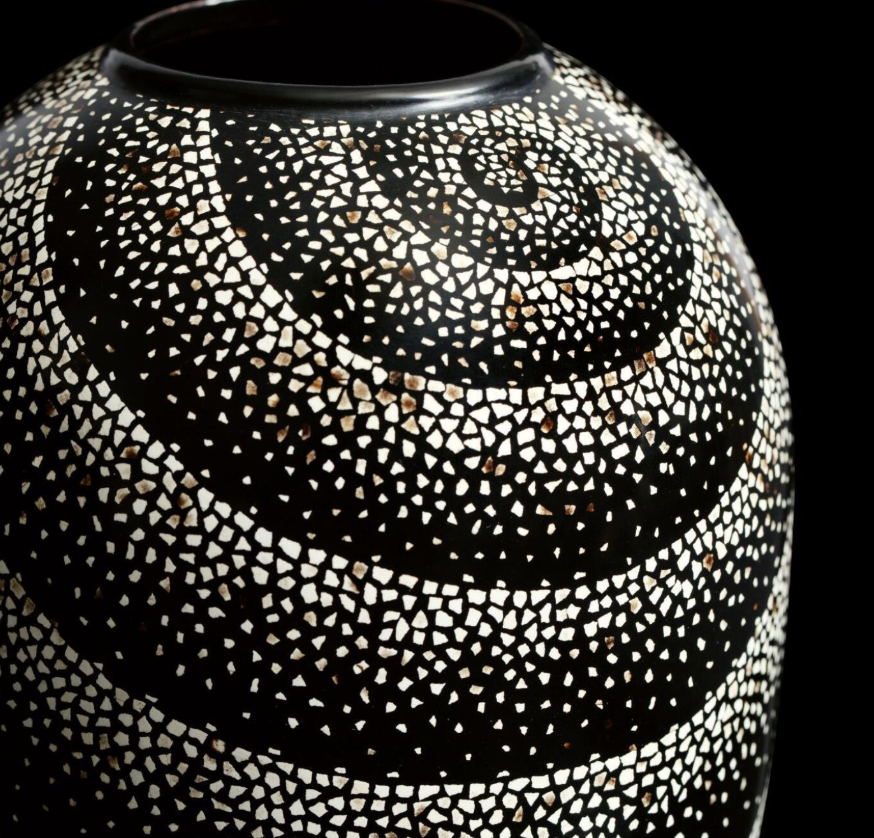
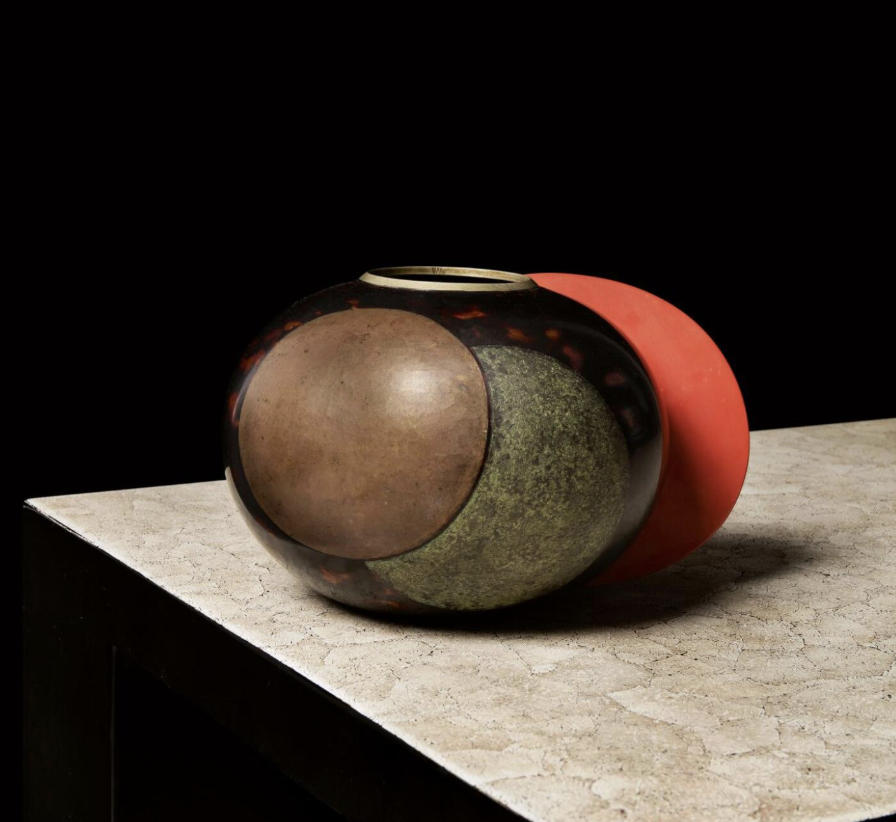
Modern Masters: Chefs-d’œuvre d’une Collection Privée refers to the evening auction that took place in December of 2019 at Sotheby’s New York. The collection brought together extraordinary art and design by top European masters from a private collector, providing Louis Soulard with an opportunity to conduct research, write essays, oversee authentication, and investigate provenances for each and every work in the collection.
The timeless and unparalleled collection is highlighted by rare and superlative works by such artists Alberto Giacometti, Marcel Coard, Joseph Csaky, Gustav Miklos, Émile-Jacques Ruhlmann, Jean Dunand, Jean-Michel Frank, and Pierre Legrain. Individually, these luxurious works represent some of the most significant and taste-making innovations in design of the last century, placing them indelibly within the wider context of the Cubist and Modernist Art movements.
Equally important to the intrinsic artistry of this ensemble, many of these works are further distinguished by their impeccable historic provenances, having resided in the collections of some of the most illustrious collectors and artists of the 20th century, including Jacques Doucet, the Maharaja of Indore, Templeton Crocker, Jane Renouardt, Countess Mona von Bismarck, the Duke and Duchess of Windsor, Andy Warhol, Robin Symes, Claude and Simone Dray, Félix Marcilhac, and Tina and Michael Chow, among others.
Collectively, the masterworks speak to the impeccable eye of the connoisseur who so thoughtfully assembled them in pursuit of the very best in artistry, craftsmanship and provenance.
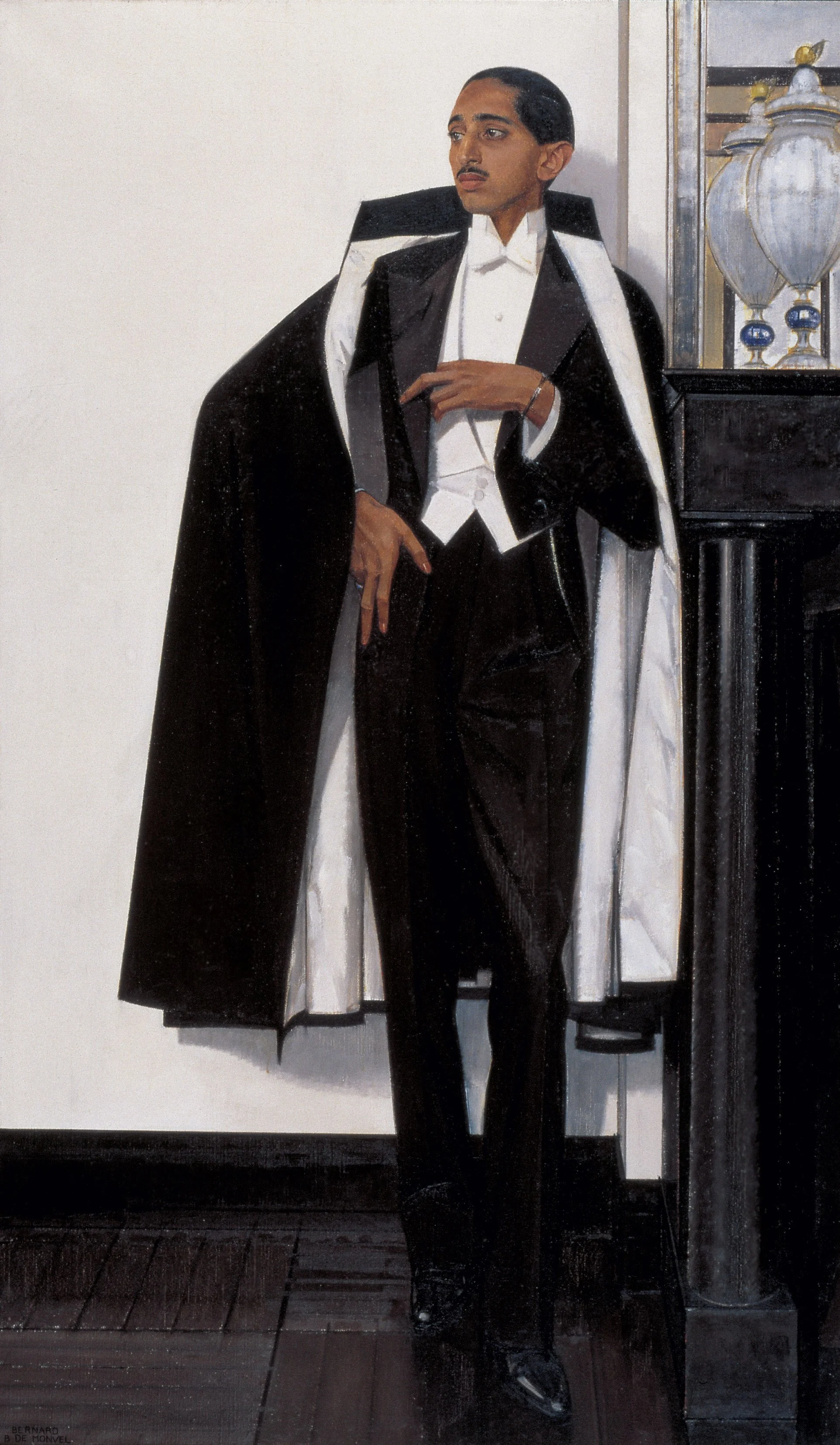
The Maharaja of Indore: The Ultimate Quest for Modernity
The following two masterpieces of modernist design, the Chaise Long “aux Skis” by Émile-Jacques Ruhlmann (lot 26) and the Floor Lamp by Eckart Muthesius (lot 27) share a common origin that points to the figure of Yeshwant Rao Holkar II, known as the Maharaja of Indore.
Holkar’s search for modernity finds its roots in his family’s history and entourage. As directed by strict tradition, and in order to best prepare for his role as the ruler of one of the wealthiest Indian states, he received an international education, attending school and university in England—specifically, the Cheam School and Christ Church College at Oxford from 1926-1929. During that time, he was able to visit numerous European capitals, often joined by his preceptor, Dr. Marcel Hardy, his wife Sanyogita Devi, and his sister, Manorama Raje. Such travels included visits to Berlin, where he met with young German architect and fellow Oxford student Eckart Muthesius, with whom he developed a close friendship.
If the project for a new palace in Indore had been in the works years before his enthronement, Holkar’s close relationship with Muthesius, as well as his encounter with Jacques Doucet in Paris in 1929, profoundly changed the Maharaja’s plans for his future Indian home. Indeed, his visit to Doucet’s Neuilly studio—the home of contemporary modernist works by Gustave Miklos, Joseph Csaky (lot 17) and Marcel Coard (lot 18)—marked a significant event, the importance of which was immortalized in a letter that the young heir sent to Doucet on October 22, 1929:
“Dear Mr. Doucet,
I cannot leave Europe and go back to my country without expressing my gratitude and telling you how delightful it was to share these moments in your company, surrounded by all of your artistic treasures.
I hope you will not accuse me of exaggerating when I say, very simply, that the two hours that we spent at your home were among the best that I spent in Paris and in France. Those are rare impressions and moments that I will take with me and will keep jealously. Your comments and advice were equally as precious.
Maharajah Holkar
October 22, 1929”
This visit seems to have convinced the future Maharaja that modern art and design was a direction worth pursuing. His encounter with Doucet also coincided with his increasingly close proximity with Muthesius and Henri-Pierre Roché, who he met in 1926 and would become an important intermediary between the Indian patron and contemporary French artists, as evidenced by the fee he received upon each purchase and commission. The project for the princely palace of Indore became more definite that year. Muthesius, upon Holkar’s request, agreed to oversee the architecture of the couple’s private residence as well as its interior decor, to be comprised of avant-garde European furniture, lighting, and works of art.
In his quest for outstanding design, the future Maharaja embarked on a journey throughout Europe at artists’ studios and decorative arts salons, often accompanied by Muthesius, Roché and Hardy, all providing him with inestimable advice and recommendations. With the death of Doucet on October 30, 1929 and the financial crisis that followed, many artists and designers were deprived of important clients and commissions. The rumor rapidly spread among artistic circles that a wealthy Indian prince was visiting Paris in search for innovative works of decorative arts and design. One of the very first signs of such excitement can be traced to the Salon des Artistes Décorateurs, held at the Grand Palais that same year where Ruhlmann presented his studio-chambre du prince héritier d’un vice-roi des Indes (“Studio-Bedroom for the heir of an Indian vice-king”). Ruhlmann’s was a rather explicit reference to the future Maharajah of Indore. From Ruhlmann’s ravishing presentation, the Maharaja only bought a bookcase as well as a monumental black-lacquered desk and chair. While touring Europe, Holkar was exposed to and inspired by new generations of creators that included Le Corbusier, Pierre Jeanneret, and Charlotte Perriand, from whom he bought a reclining lounge chair, first exhibited at the Salon d’Automne of 1929.
The future Maharaja’s purchases were far from compulsive and resulted from a meticulous process orchestrated by Roché. As evidenced in the Muthesius archives, Roché would send photographs of pieces to Holkar and his wife for them to make a calculated selection; they would in turn forward their chosen pieces to Muthesius who would orchestrate the palace’s interior layout. Some of those photographs show clear indications of the room for which the works were intended, while others showed their asking purchase price. The archives further show the couple’s strong creative involvement in this process, often requesting that designers change or add elements to specific works they selected. Case in point, a flatware service by Jean Puiforcat required, upon their request, the addition of ebonized elements to the tip of each piece. Other components of the house (furniture, shelving units, floor lamps, sconces and chandeliers) were designed by Muthesius himself under Holkar’s close supervision. The designs created by the German architect were in clear symbiosis with the modern architecture of the palace, strongly relying on such innovative materials as glass and metal. The lighting designs, and the present floor lamp (lot 27) especially, evoke the clean and pristine aesthetic of the Machine Age while including truly futuristic and innovative elements like the brightly lacquered red reflector.
Once it was fully furnished around 1933, the palace unmistakably showed the taste and personality of its owner. With the influence of Doucet’s style, Roché’s artistic inclinations and Muthesius’ architectural vision, period photographs reveal a highly homogenous interior comprising pieces that embodied the pinnacle of modernist art and design from the early 1930s. The visual and aesthetic coherence of the palace show that Modernism, in the eyes of the future Maharaja, was not understood as a stationary concept but encompassed a great variety of forms, designs and functions. With this project, Holkar contributed to promote a spirit of artistic creation in Western Europe during the interwar period, allowing numerous designers, artists and craftsmen to bring many of their most ambitious projects to fruition.
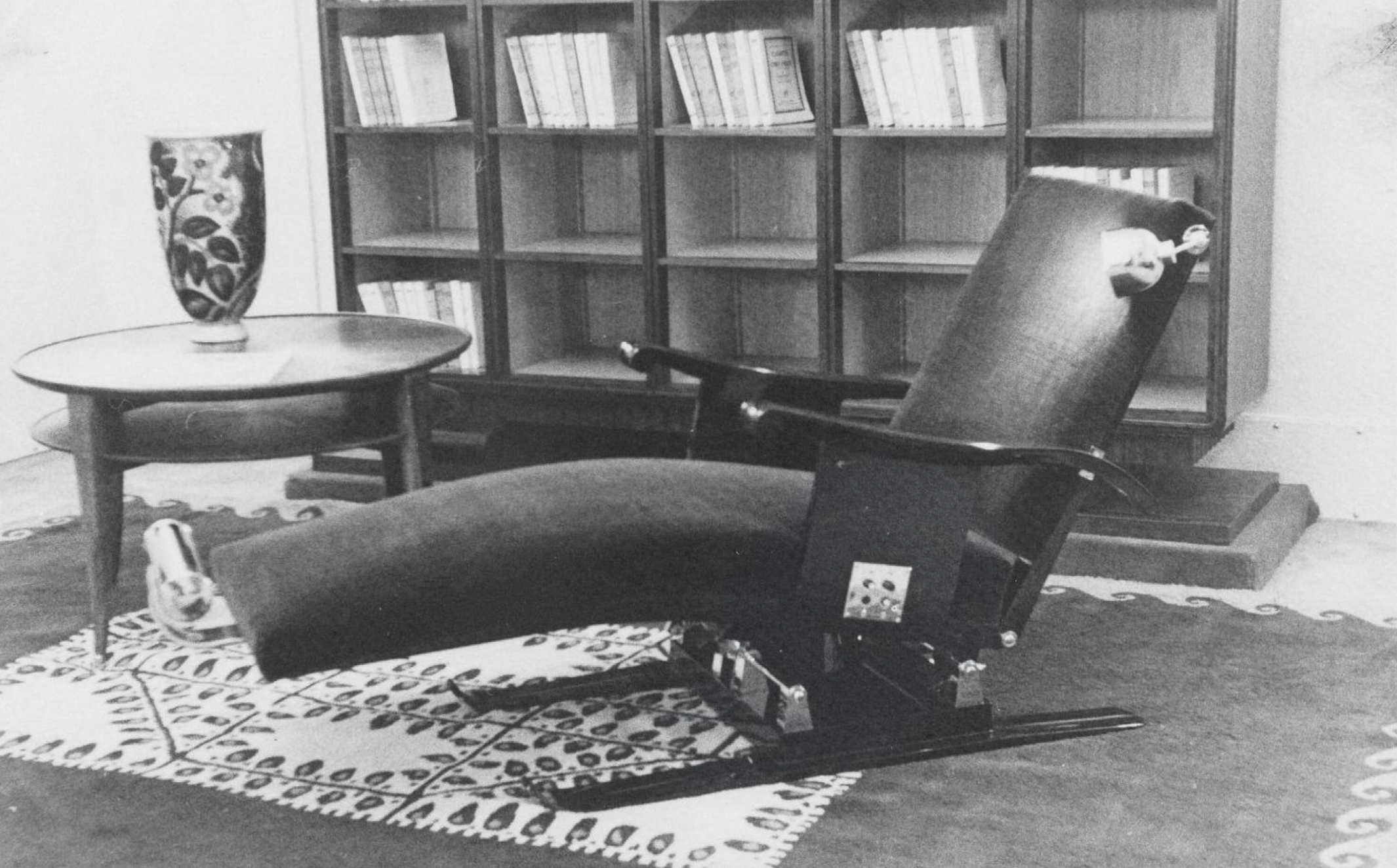
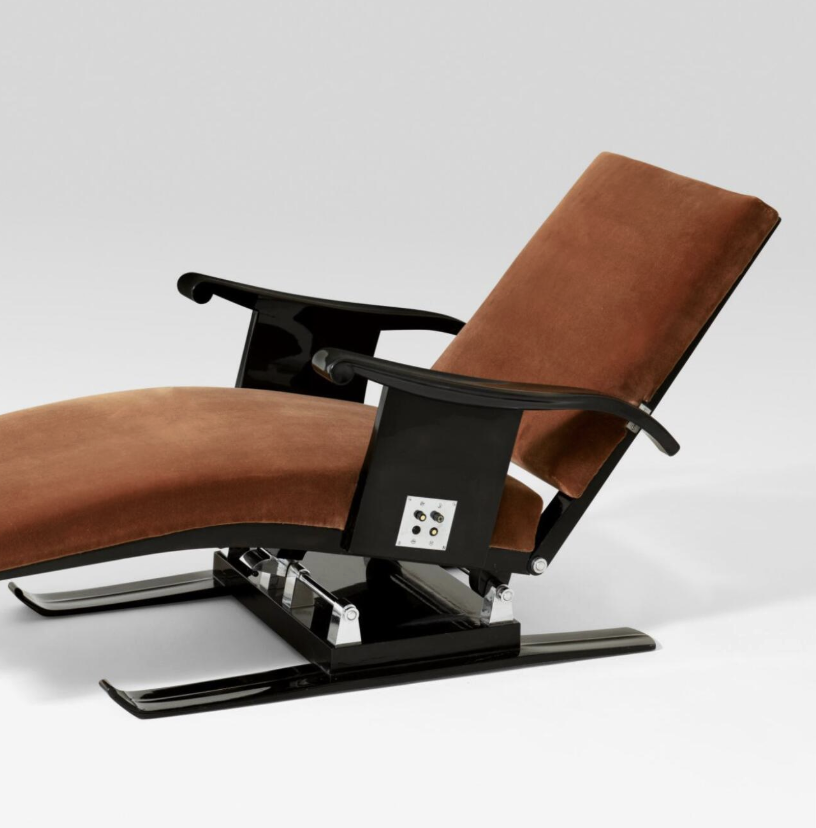
The superb Chaise Longue “aux Skis” was originally designed by Émile-Jacques Ruhlmann in 1929 as part of a suite intended for the heir to the Indor Kingdom of India, Yashwant Rao Holkar II. Ruhlmann presented the suite that same year at the Salon des Artistes Décorateurs in Paris as a studio-chambre pour un prince hériter (“studio for a prince”), maintaining the confidentiality of the heir’s identity while he selected works for his future palace. The suite included never-before-seen pieces of furniture, many of them executed with luxurious black lacquer. Though the chaise was not used for the palace, the model has become emblematic of the avant-garde designs conceived for this historic commission. Based on period references, only two models appear to have been executed. The only other known example of the chaise presents with minor variations, namely the absence of lacquer on the armrest and the absence of electric switches controlling the heating system located on the footrest. The whereabouts of this alternate model are unknown, making the present Chaise Longue the only known extant example of the model to date.
The designs that Ruhlmann presented at the Salon were praised by the critics of the time, notably René Chavance from Art et Décoration, who described Ruhlmann’s newest creations as refreshing, modern and elegant. Jacques Baschet from L’Illustration emphasized the notions of idleness and comfort in his review of the Salon.
Ruhlmann’s ensemble for the 1929 Salon illustrates a key moment in his career in which he sought to reconcile the radically simplified forms of the modern age brought forward by newcomers like Le Corbusier with the more traditional Art Deco style that brought him to fame in the early to mid-1920s. This transition is demonstrated here through the use of new materials like chromium-plated steel and dynamic, streamlined forms. The Chaise Longue itself is a work of total luxury, suitable for royalty, outfitted with an adjustable black-lacquered wood frame, a heated footrest and a reading light affixed to the backrest. Its most noteworthy feature, however, is the particularly creative use of skis as a base—a device that Ruhlmann used on other pieces from the 1929 studio-chambre suite, including a bar cabinet and a leather-upholstered armchair. The result is a truly modernist and innovative masterpiece conceived for an international patron of avant-garde architecture and design.
A testament to its iconic status, the Chaise Longue was classified as a Trésor National, or “National Treasure,” by the French government for many years and could not be transported overseas. In December 2013, a passport was finally issued for the piece by the French authorities, allowing it to be shipped outside of France. More recently, the Chaise Longue was requested by the Musée des Arts Décoratifs in Paris for their ongoing exhibition focusing on the Maharaja Indore, Moderne Maharajah, Un Mécène des Années 30.
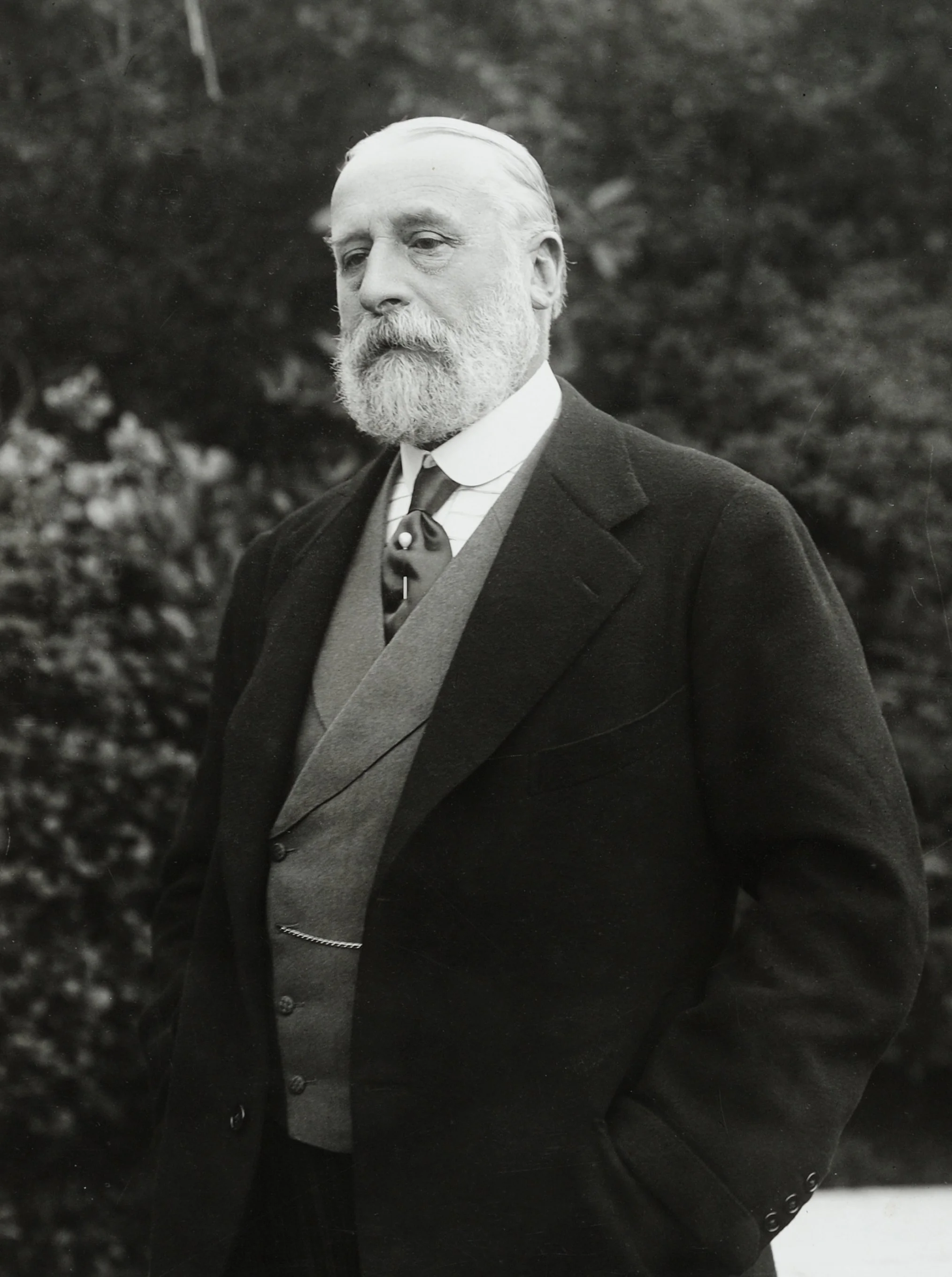
Jacques Doucet: Modernist Collector and Legendary Patron
In 1920s Paris, Jacques Doucet was known as one of the very first high fashion couturiers, as well as one of the most important art collectors and patrons of his time. He developed his family’s garment shop on rue de la Paix into a profitable maison de haute couture that allowed him to start an ambitious art collection comprising 18th Century French art and later contemporary works of painting, sculpture and design. As an avid collector, his close collaborations with innovative creators paved the way for modern art collecting and inspired future fashion designers like Yves Saint-Laurent to curate their own collections.
Surrounded with sophisticated advisors like Henri-Pierre Roché and André Breton, Doucet built an impressive collection of paintings and sculptures by such masters as Edouard Manet, Constantin Brancusi, Paul Cézanne, Edgar Degas, Vincent Van Gogh, Henri Matisse, Pablo Picasso, Marie Laurencin, Joan Miró and Francis Picabia. In 1924, he became the very first owner of Pablo Picasso’s Demoiselles d’Avignon (1907), bought directly from the painter’s studio. Doucet also surrounded himself with young and talented decorative artists whose experimental work he closely followed and encouraged. Such multidisciplinary talents included Joseph Csaky, Marcel Coard and Gustave Miklos, who worked across various mediums under Doucet’s patronage.
Joseph Csaky, like many of the artists working with Doucet, was an émigré. He moved to Paris in 1909 after studying at the Academy of Applied Arts in Budapest. He was one of the first artists to apply the principles of Cubism to sculpture. When the war ended, he was signed by the gallery of Léonce Rosenberg, an art dealer who took a keen interest in Csaky’s work and saw him as one of the major sculptors of his time. Doucet most likely discovered his work there. In 1921, Doucet purchased a stone head of a woman, and then commissioned several works from Csaky from 1923 onwards. It was during this period that Csaky began to soften the geometric, nested shapes of his sculptures and shift towards gentler, purer lines. He went on to create site-specific commissions for Doucet, which include the majestic handrail to the staircase in his Neuilly apartment.
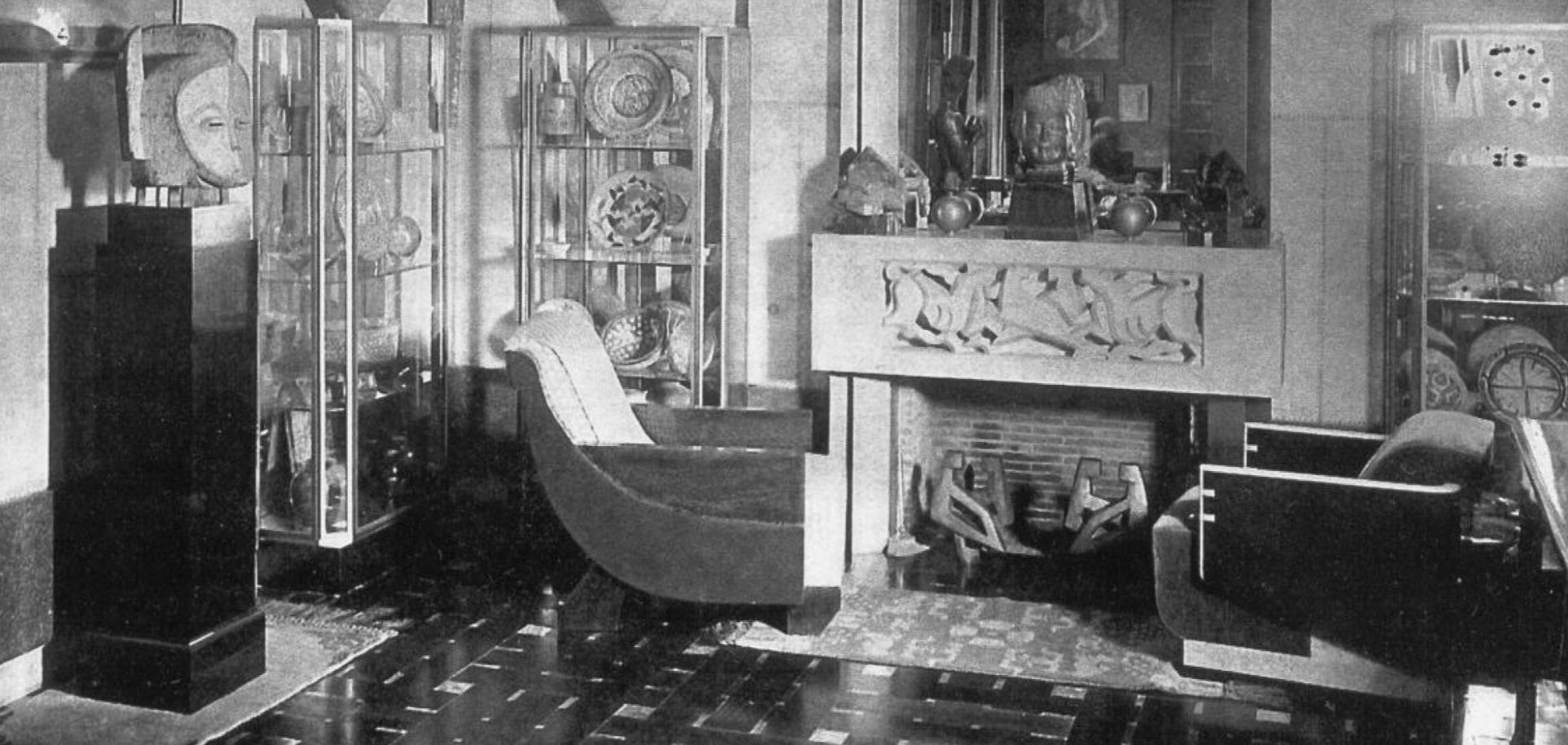
Doucet met Marcel Coard in 1913, a few years after meeting Csaky. This initial meeting promptly resulted in the commission of a window display for Doucet. Influenced at first by the African and Cubist tastes of his patron, Coard created unique objects, employing rare and precious materials like rosewood, ebony and mother-of-pearl. Coard’s work on Doucet’s studio in Neuilly gave him the opportunity to meet the great artists of the period, including Csaky and Pierre Legrain, who oversaw the creation and orchestration of Doucet’s collection. Csaky’s new perspective on Cubism and use of animals and totems intrigued Coard, who asked Csaky in 1925 to collaborate on the apartment of Jean Cocteau in Paris and their house in Tours.
It was not until the early 1920s that Doucet met Gustave Miklos. “He was fortunate to be noticed by Mr. Jacques Doucet, whose tremendous encouragement allowed him to find his way and the means to produce some of his finest works," wrote a commentator of the period in the magazine L’Illustration. The couturier soon began to commission numerous objects and sculptures from Miklos, and lent several of the thirty or so works displayed at the Miklos exhibition at La Renaissance gallery in 1928: two amethyst rock crystal lamps, one purple and one green, a black and white granite dish with two bronze animal handles, as well as the important Deux Bêtes Affrontées (offered at Sotheby’s Paris in 2017), and a unique Animal sculpture (lot 39). Doucet also prefaced the exhibition catalogue with a message of praise and of friendship: “My dear Miklos, I am happy to say how fondly I admire your talent. I was one of the first to savor the delights of your byzantine modernism. Your friend, Jacques Doucet".
Together, Csaky, Coard and Miklos constituted some of the most talented sculptors and designers working with Doucet whose styles drastically evolved and grew through his patronage, allowing them to experiment and create freely. The following two masterworks of modernist design (lots 17 and 18) provide a glimpse into Doucet’s art-filled residence and represent unique advancements in sculpture and furniture by Csaky and Coard.
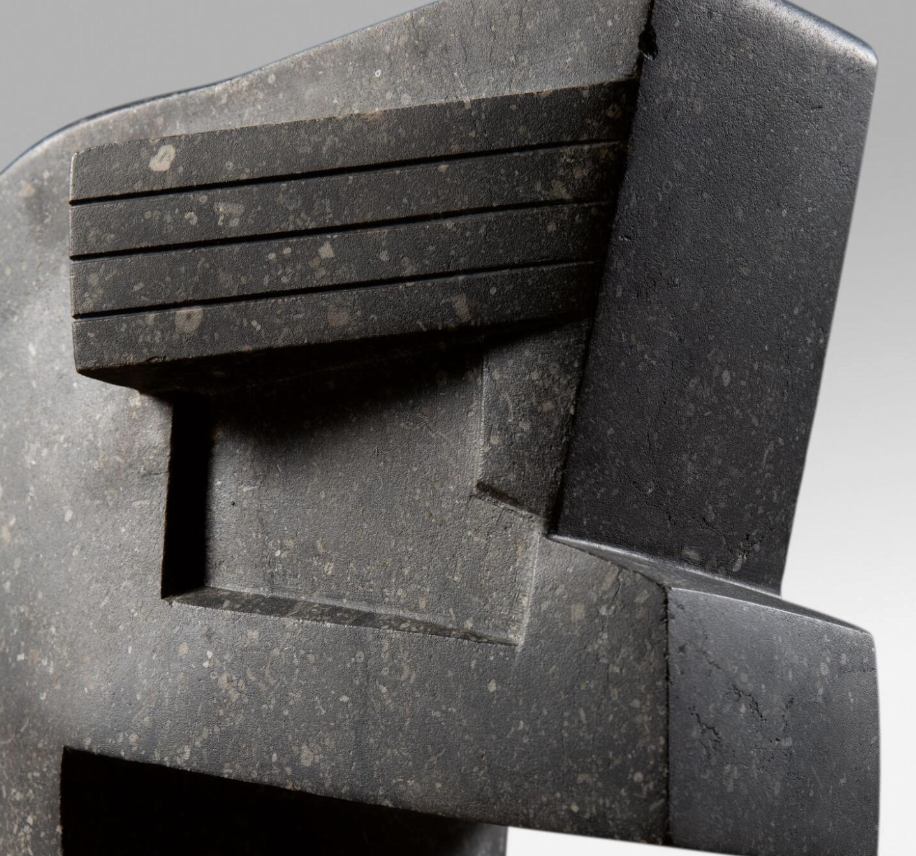
Executed by Hungarian-born, Paris-based artist Joseph Csaky at the beginning of the 1920s, Tête de Lionne is a superlative work within the sculptor’s body of work. This abstract sculpture imbued with Cubist influences counts among the artist’s very first pieces in which man or woman are no longer the central figure. Only the work’s given title provides an indication of its figurative intent. The result is a masterful exercise in geometric construction, carefully sculpted with incised details and incredible attention given to proportion.
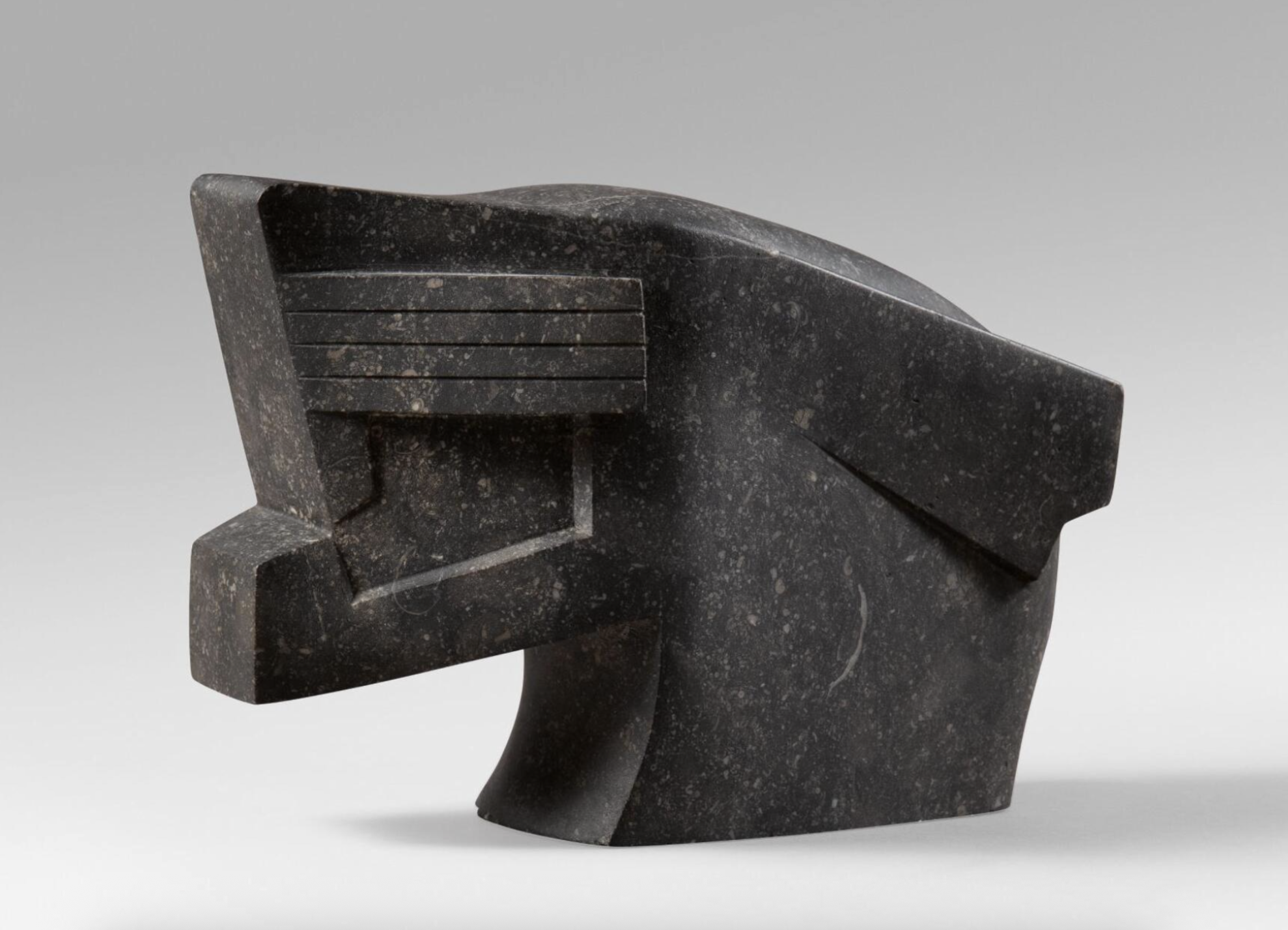
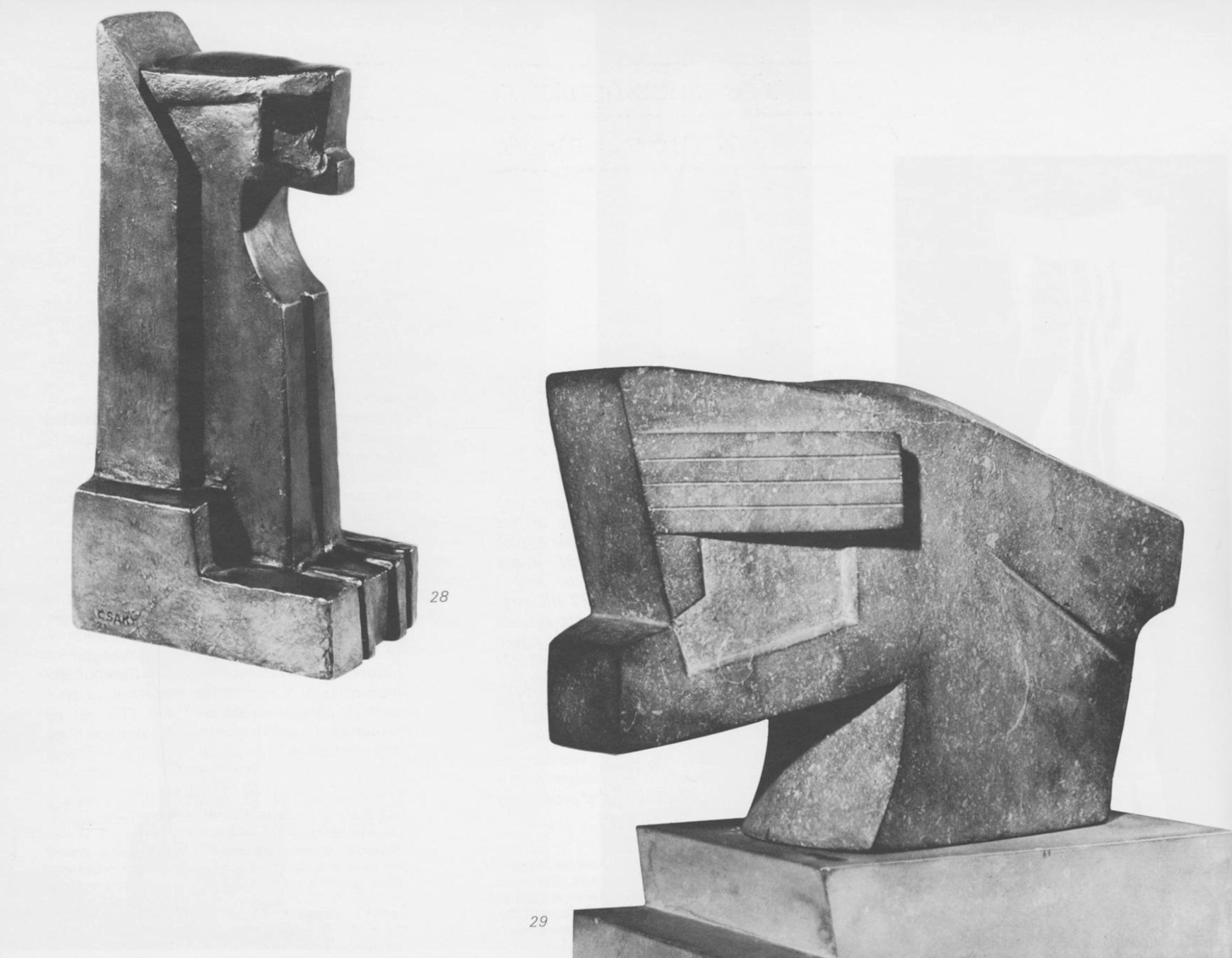
This work is all the more remarkable considering that it is one of the few surviving testaments to an important yet unrealized project commissioned by the couturier and arts patron, Jacques Doucet, for a house in the Parisian suburb of Marly. In preparation for this project the sculptor designed a small-scale maquette of Tête de Lionne in patinated bronze. Upon deaccessioning the bronze maquette in 1966, Csaky wrote to the buyer about the conception of the form and in doing so illuminated the history of the present Tête de Lionne executed in granite. In his letter he explained: “Jacques Doucet, the great couturier, had the idea around 1920 to have the architect Mallet-Stevens design a house for him. To decorate the building, he requested the help of two sculptors. Henri Laurens was going to decorate the exterior, and I was going to decorate the interior. I started with a small maquette of a motif intended for a pedestal on the building’s main staircase. The maquette represented a lioness. This is the piece you just acquired. This is the only object fully realized specifically for this building, which ultimately was never built. However construction was initiated. We were on the first floor when J. Doucet fell sick. His wife prevented him from completing the building. So we abandoned the construction. But since the maquette of my lioness greatly satisfied him, he commissioned a full-size version, which I executed in granite.”
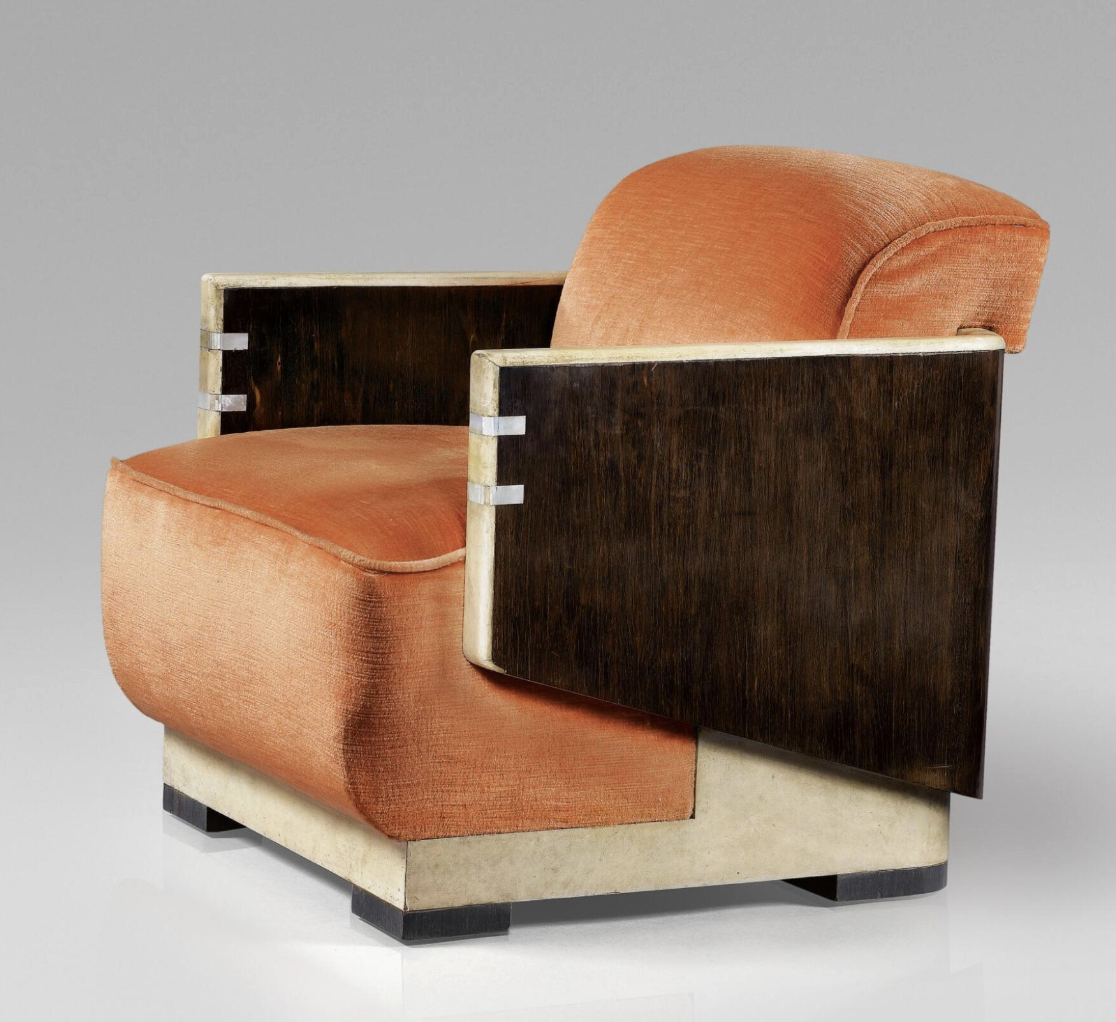
By Csaky’s own account, the present granite Tête de Lionne evolved from this initial commission and from Doucet’s continued patronage. Doucet most likely discovered Csaky’s work at the gallery of Léonce Rosenberg in Paris around 1923, which resulted in numerous commissions throughout the 1920s. Tête de Lionne is one of the earliest and most superb examples of a collaboration between the sculptor and fashion designer. Other important commissions include the design for the staircase of Doucet’s hôtel particulier in Neuilly, designed circa 1927. The residence was a tribute to modernist art and design and housed important works such as Picasso’s Demoiselles d’Avignon, sculptures by Gustave Miklos, as well as unique furniture pieces by Pierre Legrain and Marcel Coard, including the unique Cubist armchair featured in this collection (lot 18).
For the full artwork descriptions and archival references, please consult sothebys.com