
A Re-Discovered Masterpiece: Alberto Giacometti’s “Facettes” Polyhedron
Louis Soulard oversaw the consignment, research, authentication, and restoration proceedings involved in the presentation and sale of this piece.
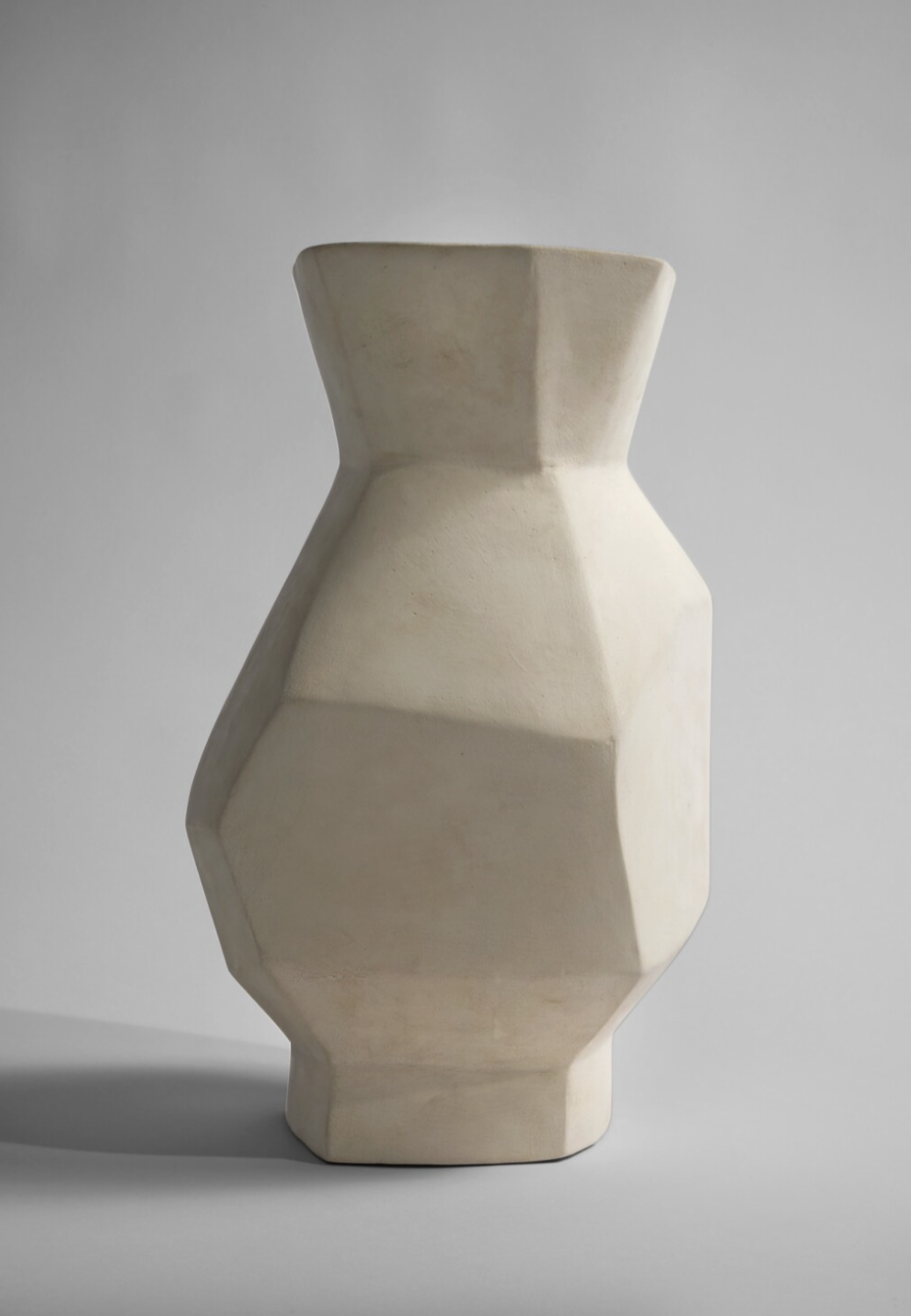
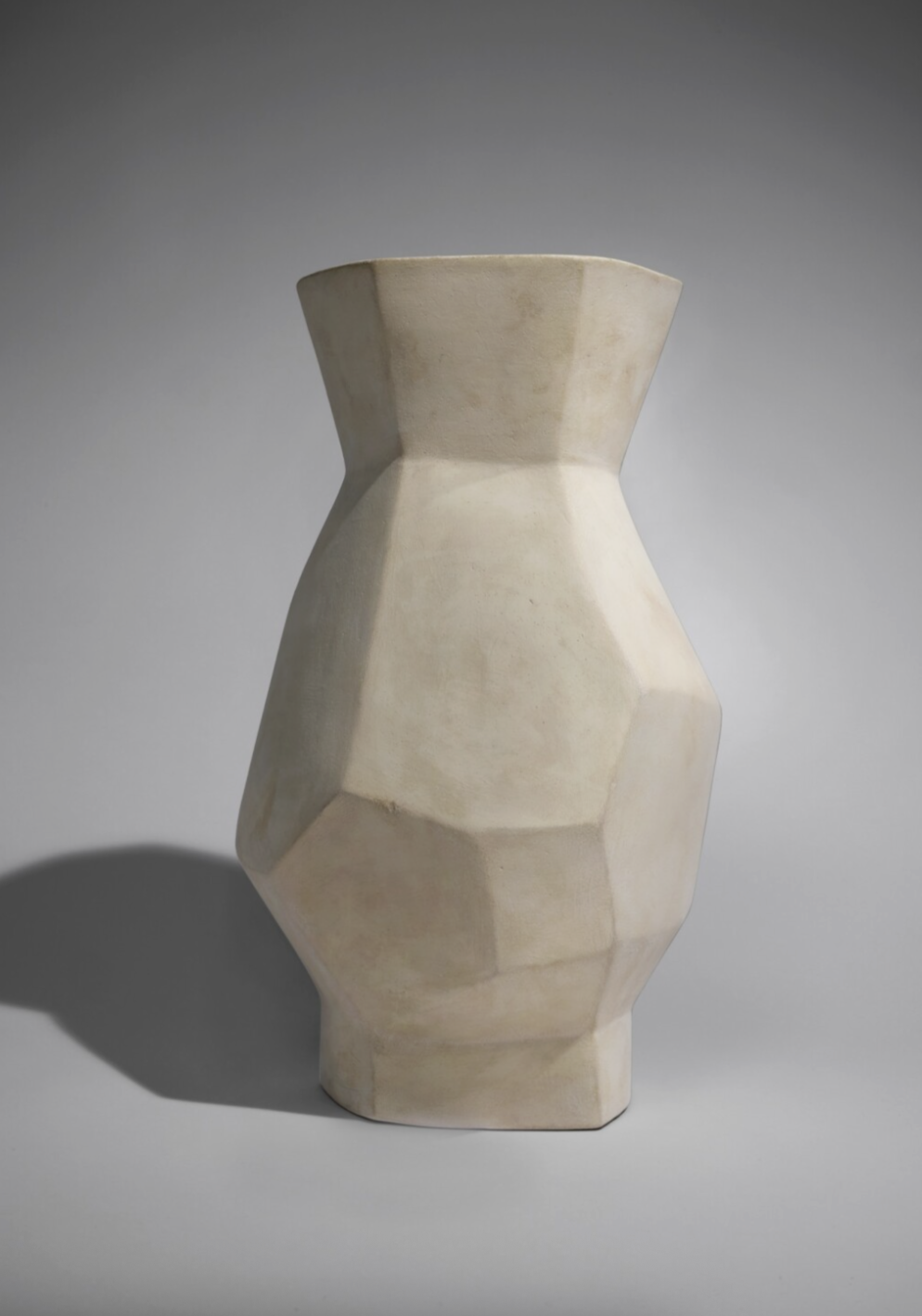
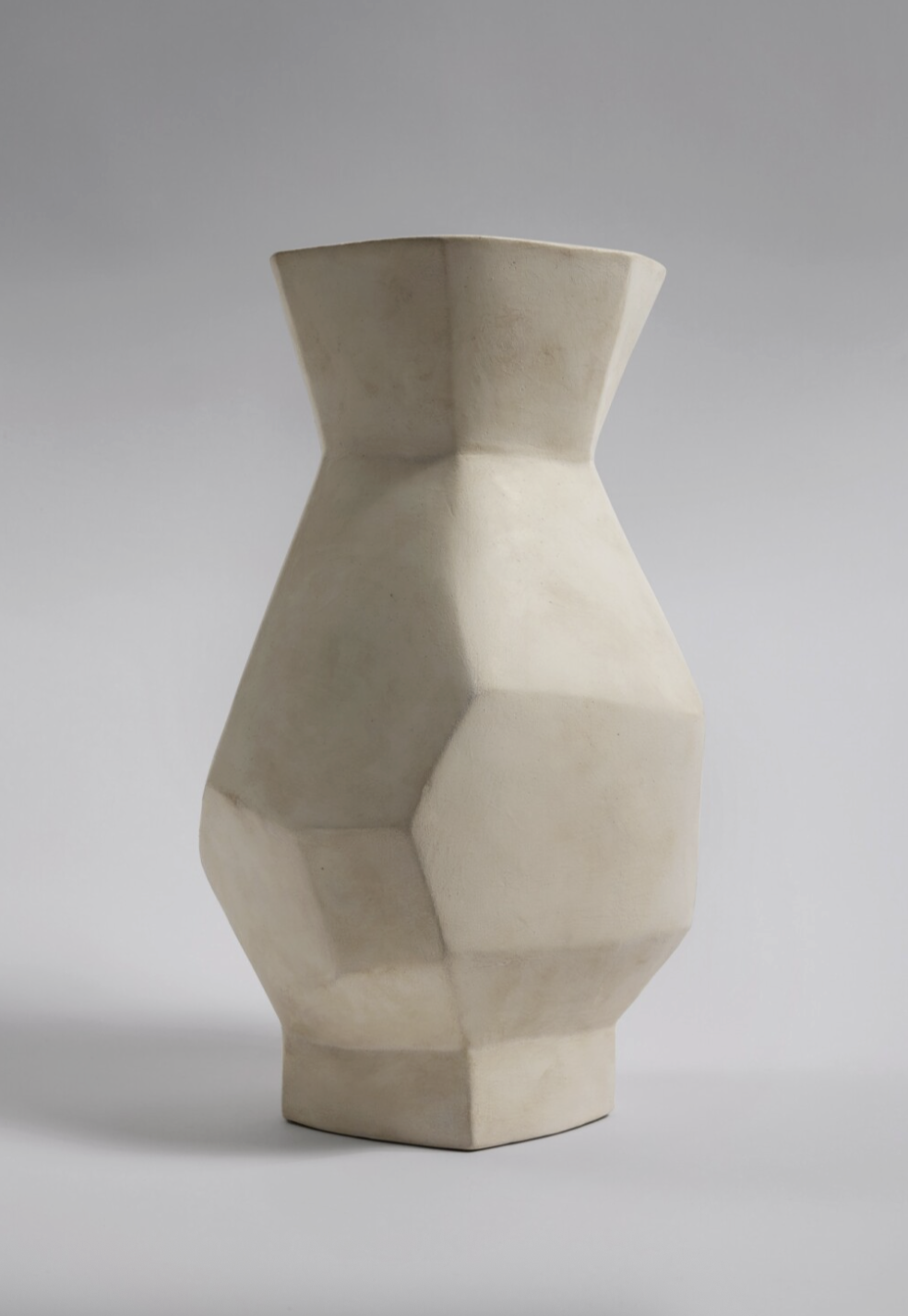
Presented for the first time at auction, Alberto Giacometti’s “Facettes” Vase represents an extraordinarily rare and sculptural work by the Swiss artist, with only one publicly recorded example preserved in the collection of the Fondation Giacometti in Paris. Executed for Jean-Michel Frank around 1934, the piece encapsulates a particularly innovative phase in Giacometti's œuvre centered around experimentations with abstraction and a departure from the traditionally figurative forms that have characterized his artistic collaboration with the Parisian decorator. The polyhedron was recurrent in Giacometti’s pictorial and sculptural production, perhaps most famously through his seminal sculpture Le Cube from the very same period, which may have directly informed the “Facettes” form. The present work, which has remained in the same New York-based family since its acquisition from a Madison Avenue store in the early 1940s, represents the incredible re-discovery of one of Giacometti’s most elusive and sculptural works in plaster.
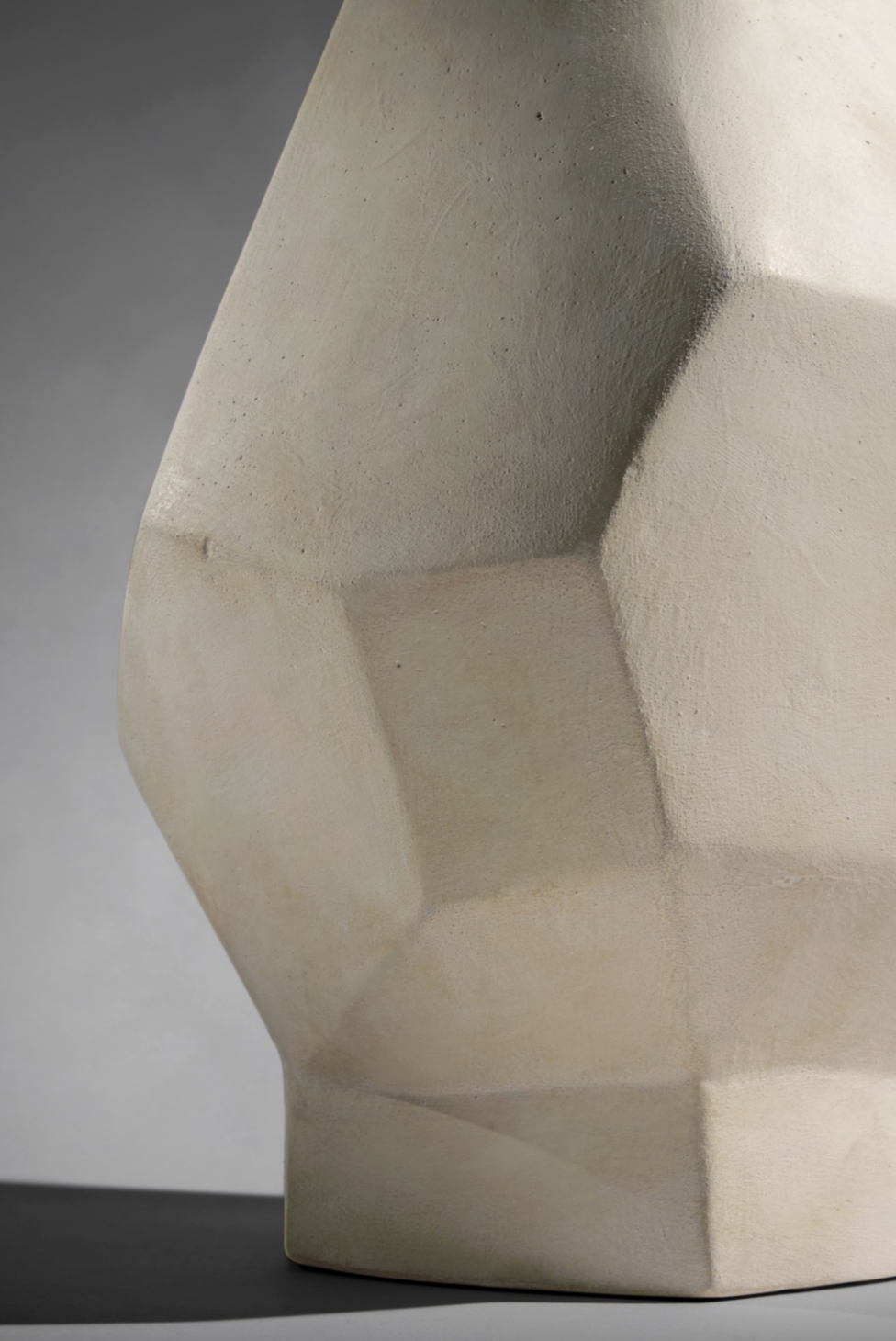
The abstract composition of the vase is characteristic of Giacometti’s artistic preoccupations and experimentation in the early 1930s. The juxtaposition of flat panels of various shapes and sizes, ultimately forming a dynamic polyhedron, makes the object fully multidimensional in its essence. Upon close inspection, each “facette” proves different from the next, providing the vase with a constantly shifting silhouette depending on the viewer’s perspective. This is further enhanced by the slight rounding along the edges and the unevenness of execution, further pointing to the piece’s handmade and sculptural quality. The plaster surface, remarkably smooth in texture and enhanced with subtle shades of ivory and cream tones, impart it with an additional layer of finesse and refinement.
While the flared neck and base identify the piece as a recognizable utilitarian object, Giacometti’s elevated treatment of the form, imbued with Cubist and Constructivist influences, blurs the boundaries between form and function and calls into question the very purpose of the work. Giacometti was the first to acknowledge the absence of a separation between an utilitarian object and a sculpture in the work that he produced for Frank. As he noted to the critic André Parinaud in 1962, "I had tried as well as possible to make, for example, vases, and I was conscious that to work on a vase as if a sculpture, then there was no difference between what I would call a sculpture, and what was, in fact, an object - a vase!”. This body of work very much reflected the evolution of Giacometti’s artistic trajectory and his approach to three-dimensionality in the mid-1930s.
The incorporation of vegetal or anthropomorphic elements into his utilitarian designs, such as the “Tête de Femme” floor lamps, “Tutankhamen” lamp or “Masque aux Serpents” sconces, indeed mirror some of the visual elements present in his portraits, busts and drawings from the period. Similarly, the polyhedron was recurrent in Giacometti’s pictorial and sculptural production, though only adapted once into a utilitarian form through the present vase, likely executed in exceedingly limited numbers. The leitmotif manifested throughout a number of sculptures and drawings, such as Surrealist table (1933), Cubist Head (Tête Crane) (1934), both in plaster, as well as Figure (1935), Lunare (1935) and the eponymous Polyhedrons (1933-34) drawing, proving to be a subject of predilection for the artist.
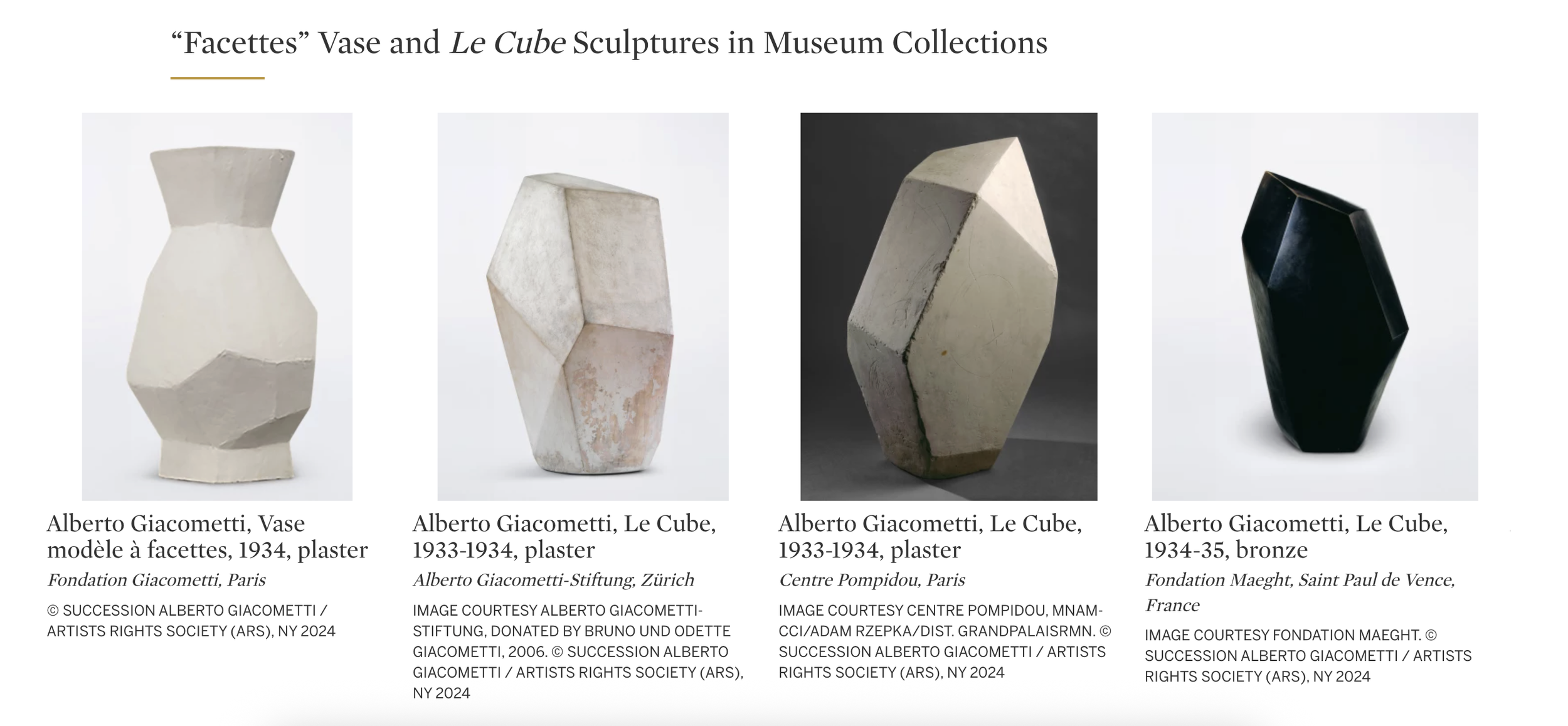
No sculpture from the period however has more in common with the vase than Le Cube, one of Giacometti’s most seminal and most analyzed works from the period, and described by the artist himself as his “only abstract sculpture”. Only two plaster and two bronze versions, all lifetime productions, are known to have been made. Modeled after the polyhedron featured in Albrecht Dürer’s engraving Melencolia I (1514), the form not only reflects Giacometti’s stylistic transition between Surrealism and Realism but also a fascinating and unexpected foray into the realm of abstraction. His exploration of spatiality and the relation between geometry and the human body are shown in full force through a multifaceted, yet closed and irregular, polyhedron similarly made of intersecting flat planes. "This level of abstraction is unique in Giacometti’s work, as he was more deeply invested in the figure," explains Megan Fontanella, Curator at the Solomon R. Guggenheim Museum. The correlation between the two works is all the more evident that they were created around the same time, coinciding with the beginning of Giacometti’s professional collaboration with Frank.
One can only speculate as to what Giacometti saw in the form, and the kind of symbolism that he may have associated with it. Citing Dürer’s influence, art historians like Fontanella have seen in the abstract polyhedron a possible response to the devastating death of his father in 1933, and as such could present as a meditation on mortality, a tribute or more generally a reflection on his own artistic consciousness. In the words of Georges Didi-Huberman, “We can sense here, without its being spelled out, that Le Cube was for Giacometti no more than an object: an object that was abstract and aesthetic to the point of nonsense. He refused that this sculpture be thought of or even be thought as sculpture at all.” Whether our vase should be seen as the utilitarian or decorative equivalent of this influential sculpture therefore seems irrelevant in the wider context of Giacometti’s approach to his three-dimensional body of work. Transcending traditional categorizations separating the artistic from the functional, the “Facettes” Vase represents the exceptionally rare embodiment in plaster of a crucially important and pivotal moment in Giacometti’s quest for meaning in abstraction.