
Zen by Design
A Private Upper East Side Collection
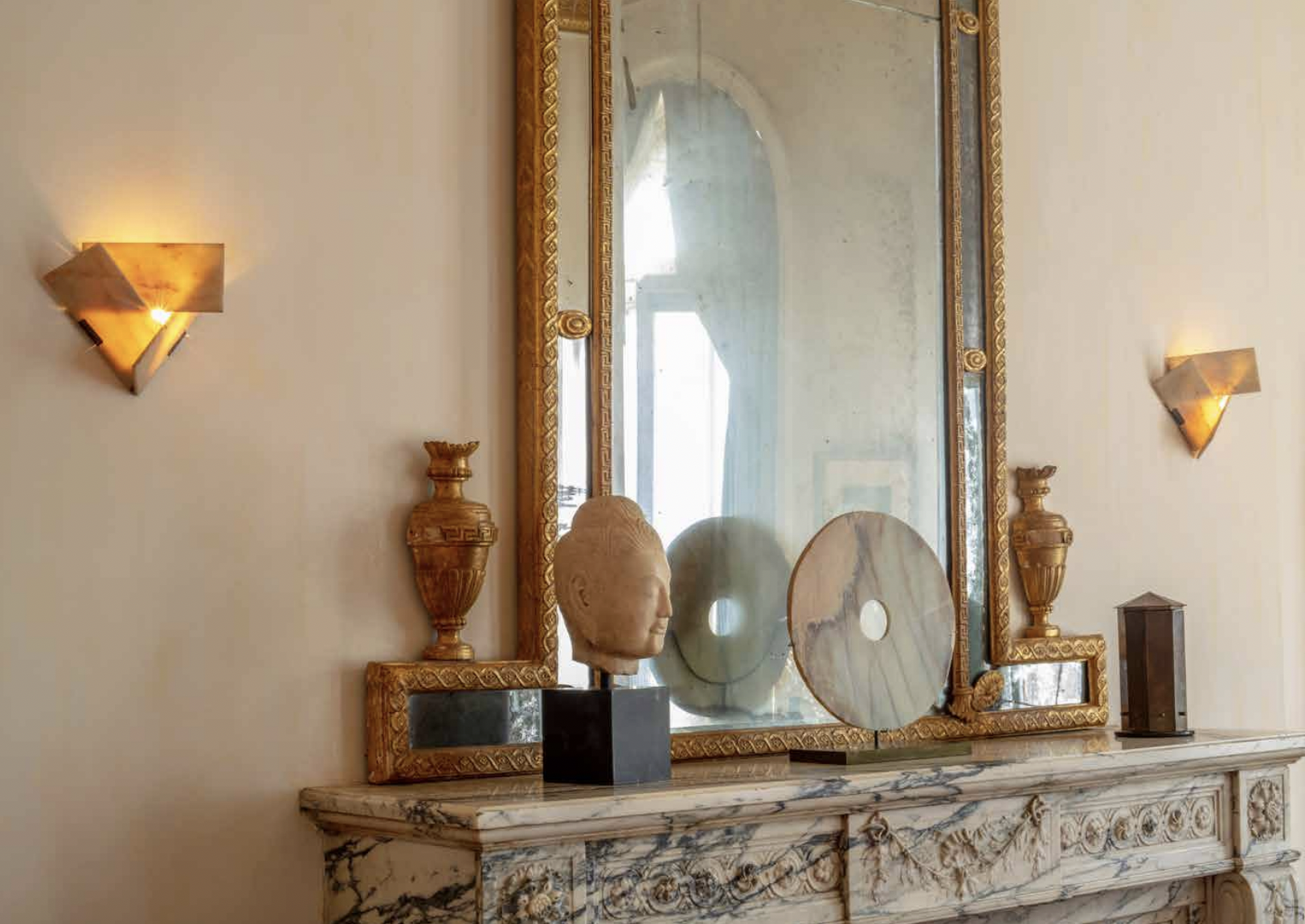
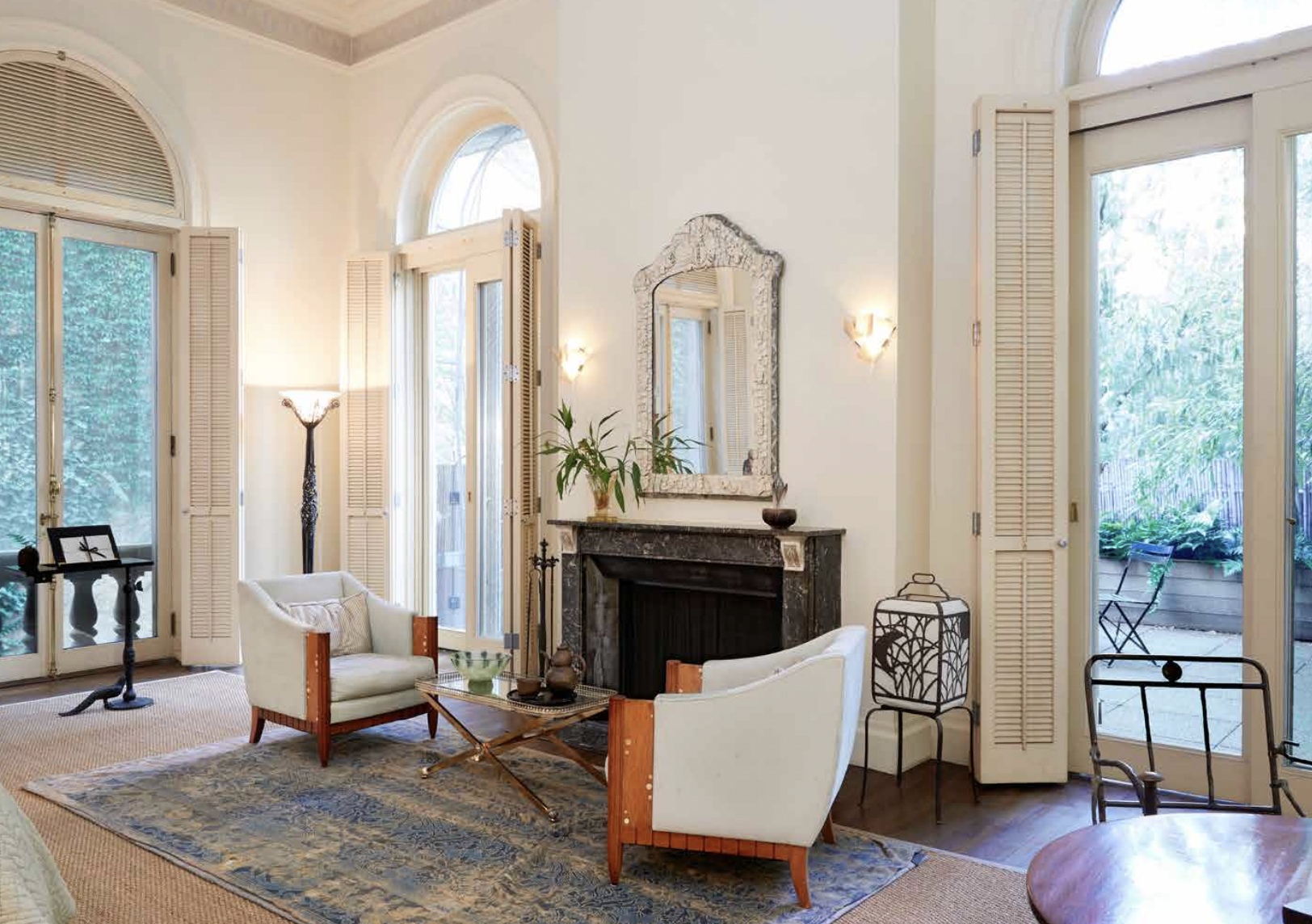
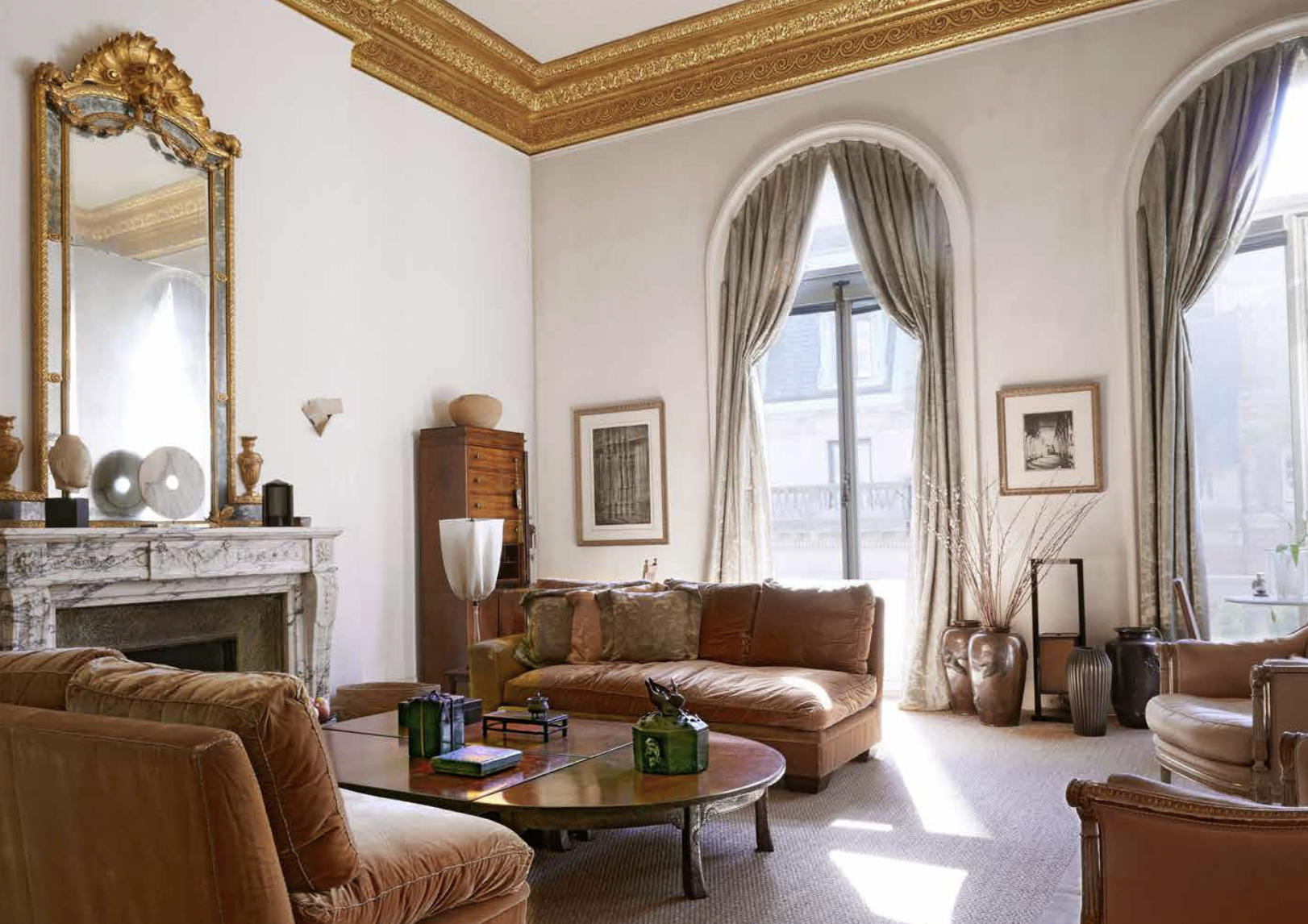
Louis Soulard oversaw the research, writing, provenance, due diligence, and photography for the presentation of this private collection at auction.
Zen by Design: Property from an Important New York Collection brought together outstanding examples of French Art Deco furniture, lighting and glass by Armand-Albert Rateau, Diego Giacometti, Albert Cheuret, Eugène Printz, Pierre Chareau and René Lalique, among others, all of which were beautifully assembled by a New York couple with a unique artistic vision.
The remarkable objects comprising the sequence, anonymously referred to as Zen by Design, are part of the outstanding collection of a New York couple whose lifestyle and artistic vision was reflected in their collecting journey. Acquired over a 50-year period, the following lots bring together a wide range of styles and time periods spanning the 20th century, from outstanding examples of Art Deco lighting and furniture to contemporary designer pieces from recent decades.
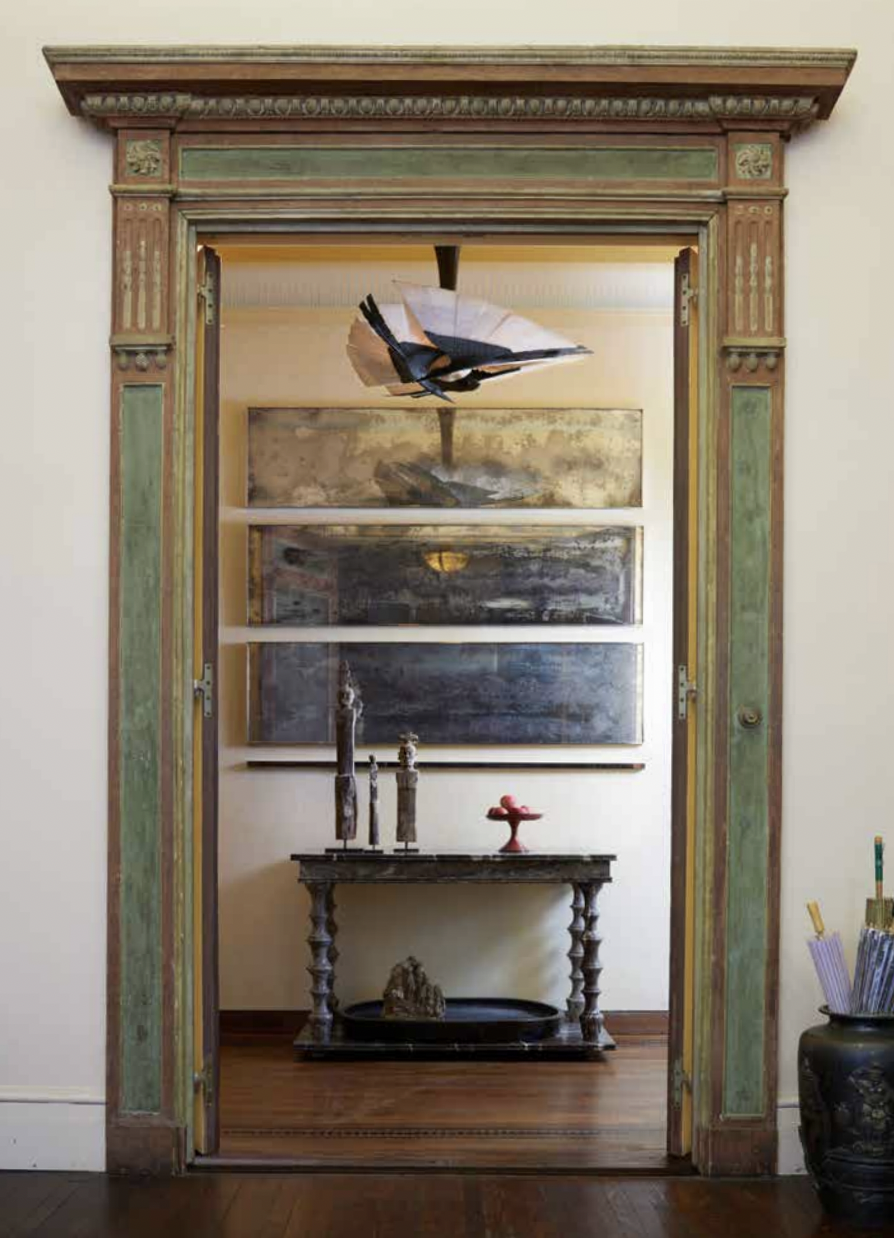
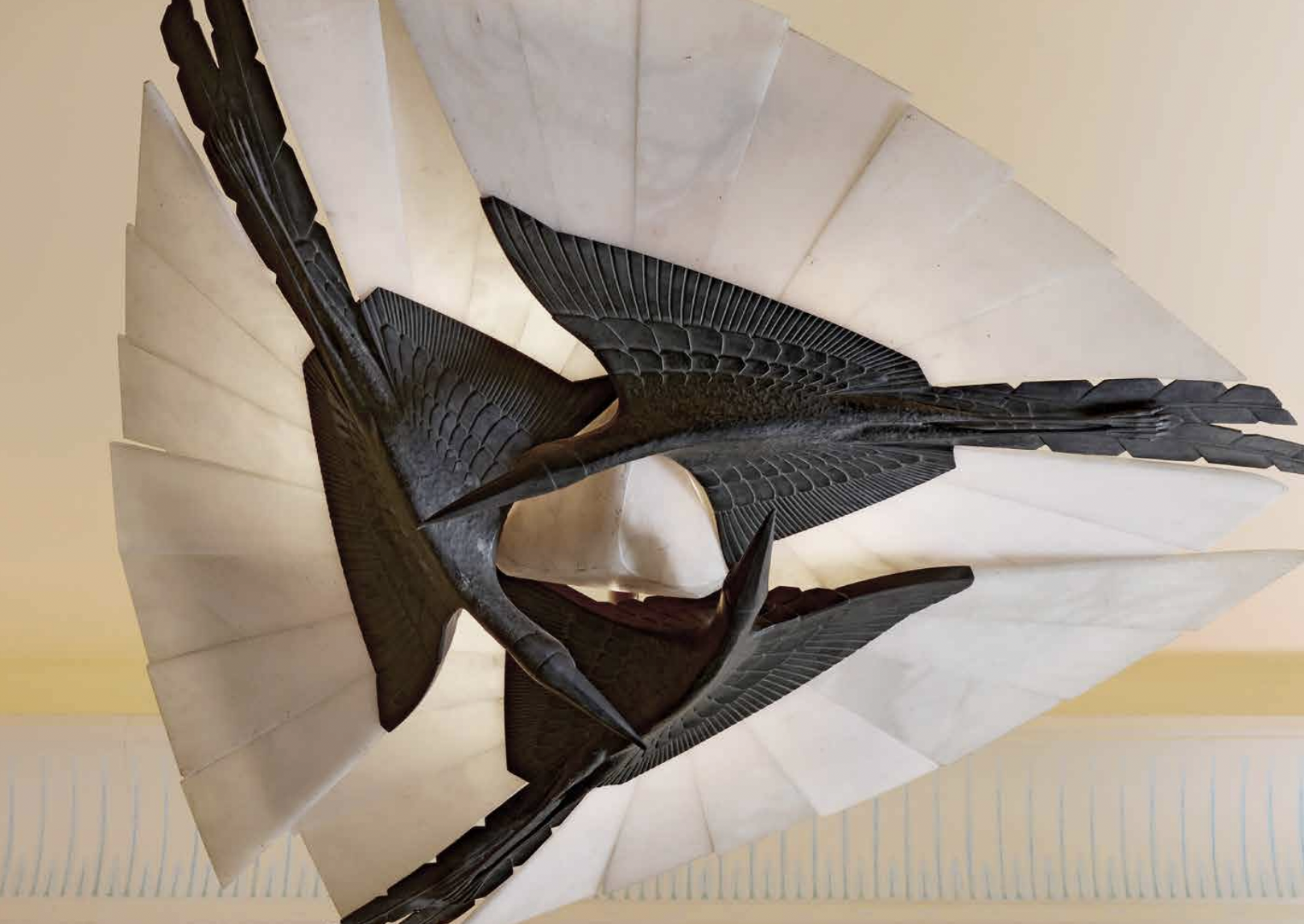
The pieces that constitute the collection were thoughtfully acquired to create a sophisticated and tranquil interior, where Japanese antiques and pottery were harmoniously blended with continental furniture and glass. This Upper East Side residence, photographed at length in the following pages, reflects the meeting of East and West in the most sophisticated and unexpected fashions. One clever example of such a dialogue is the inclusion of bronze wall sculptures in the shape of tree branches accenting the hallways of the apartment. Custom-made by French artist Patrick Naggar, they were designed as hangers for the owners’ collection of antique bird cages from Asia. One finds more nods to the East in pieces like Isamu Noguchi’s table lamp, lighting the meditation room; as well as in Albert Cheuret’s monumental stork chandelier and Armand-Albert Rateau’s gilt fire screen, which surely exhibit the influence of the Japonisme aesthetic popular in France through the 1920s.
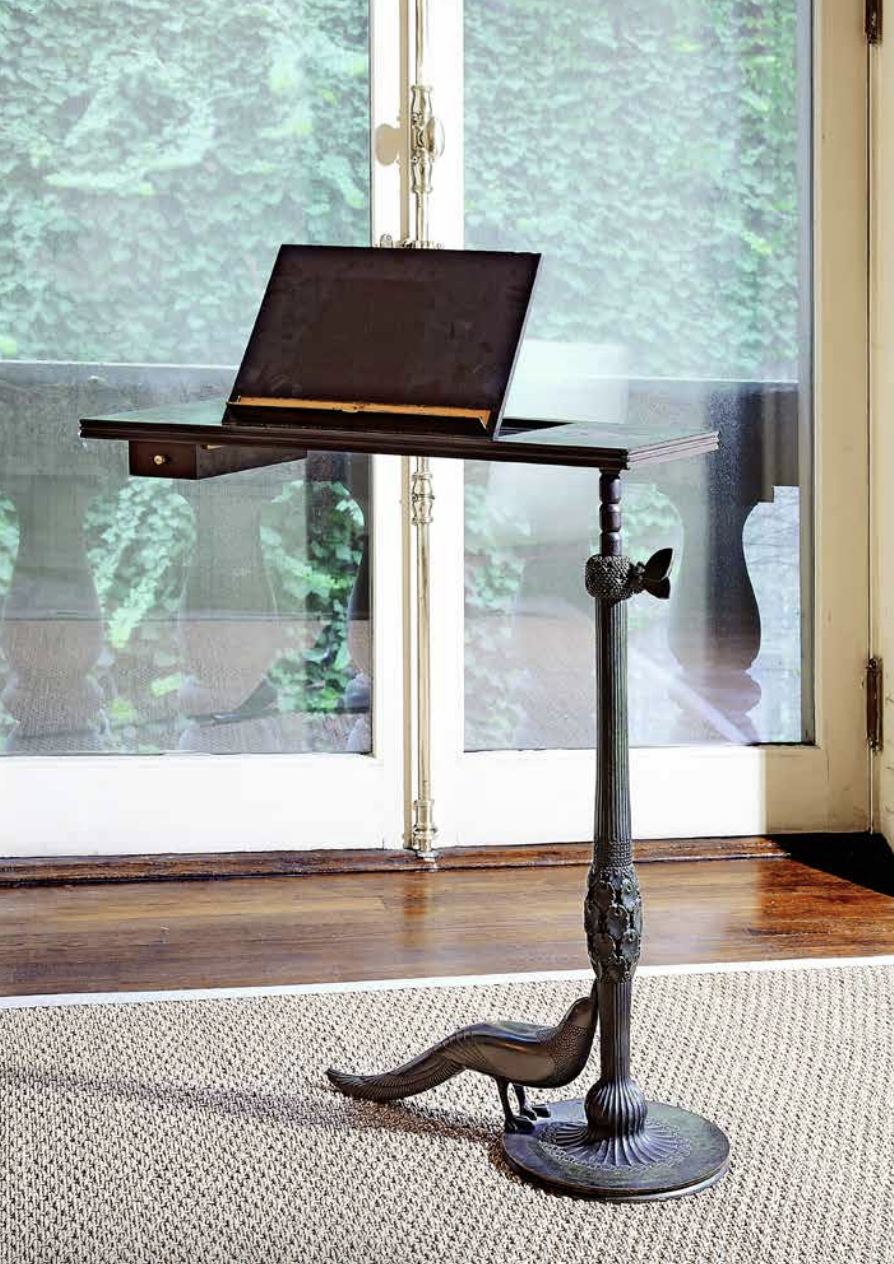
A tribute to Japanese style, one of the overarching concepts behind the highly curated interior responded to the concept of less is more. The patrons combined simple, everyday objects with luxurious artifacts in a manner that enhanced their respective artistic potential, creating a harmonious ensemble infused with tranquility and quiet beauty. To honor simplicity, flowers were generally avoided in favor of simple greens like grasses and ferns, or freshly cut branches for architectural accent. Small dishes were presented in beautiful silver servers and glazed pottery plates. In this generous space that they had occupied since the 1980s, everything was meticulously curated. The exceptional and particularly rare pieces by Rateau that visually define the residence—from a rare “Oiseau” reading stand placed in the bedroom, topped with a delicate Buddhist hand sculpture in vitarka mudra, to a pair of sconces and a towel rack in the kitchen— were treated as everyday objects filling a space, not to be noticed as they would otherwise appear too precious. One good piece of Rateau, they believed, could elevate an entire room.
This philosophy generally applies to a number of high-end mid-century French designs comprising the interior. Glassmakers like Daum, René Lalique, François-Émile Décorchemont, Maurice Marinot and Émile Gallé are represented through rare and important vases and lighting often embellished with stunning naturalistic details paying homage to the natural world. They complement a holding of significant furniture pieces by 20th century masters such as Jean-Michel Frank, Diego Giacometti and Eugène Printz. One of the two “Pommeaux de Canne” armchairs, arguably among Giacometti’s most iconic furniture designs, was a key visual component of the master bathroom, serving as a kind of dramatic focal point elevating this oasis of tranquility. pair of Jean-Michel Frank chairs, which retain their original camel-colored leather upholstery, perfectly encapsulate the essence of the apartment in their quiet yet stern elegance.
Far from being a capsule frozen in time, the residence is also fitted with contemporary pieces of furniture designed by Maria Pergay and Mats Theselius, whose signature work with metal wonderfully resonates with nearby bronze and iron surfaces from past eras. Patrick Naggar’s masterful influence is visible throughout the apartment, from the previously mentioned tree branches made in bronze to inventive furniture and small objects. One of his most spectacular achievements lies in the monumental ceiling light hanging from the residence’s main hallway—an overarching brass structure commanding the space and part of an installation commissioned directly by the clients. Above the fixture, a sky map was installed, with the lights at each end of the fixture illuminating the cosmos. Such contemporary flourishes participate in creating further visual dialogue within the interior, and playfully echoed some of the older acquisitions in the collection.
Few collections are as representative of their owners’ distinct and unique taste as the present one. With such a variety of objects blending a multitude of cultural aesthetics, origins and functions, the patrons succeeded in creating a quietly elegant home centered around the concept of harmonious living and the simple, everyday appreciation of beautiful things. As sophisticated collectors, they understood that each object, no matter how old, carries within itself a life of its own and recognized their mission as temporary custodians of these treasures. It is time for a new generation of collectors to become the caretakers of these special objects.
More information on sothebys.com